
What Does an Interior Designer Actually Do During a New Build?
Designing a custom home sounds exciting—and it is, but what most people don’t realize is just how many decisions are involved along the way.
From the outside, it can feel like hiring a designer is mostly about choosing finishes or making things look pretty. In reality, a designer’s role during a new build goes far beyond aesthetics. It’s about guiding hundreds of decisions, keeping everything organized, and making sure the home comes together exactly as intended.
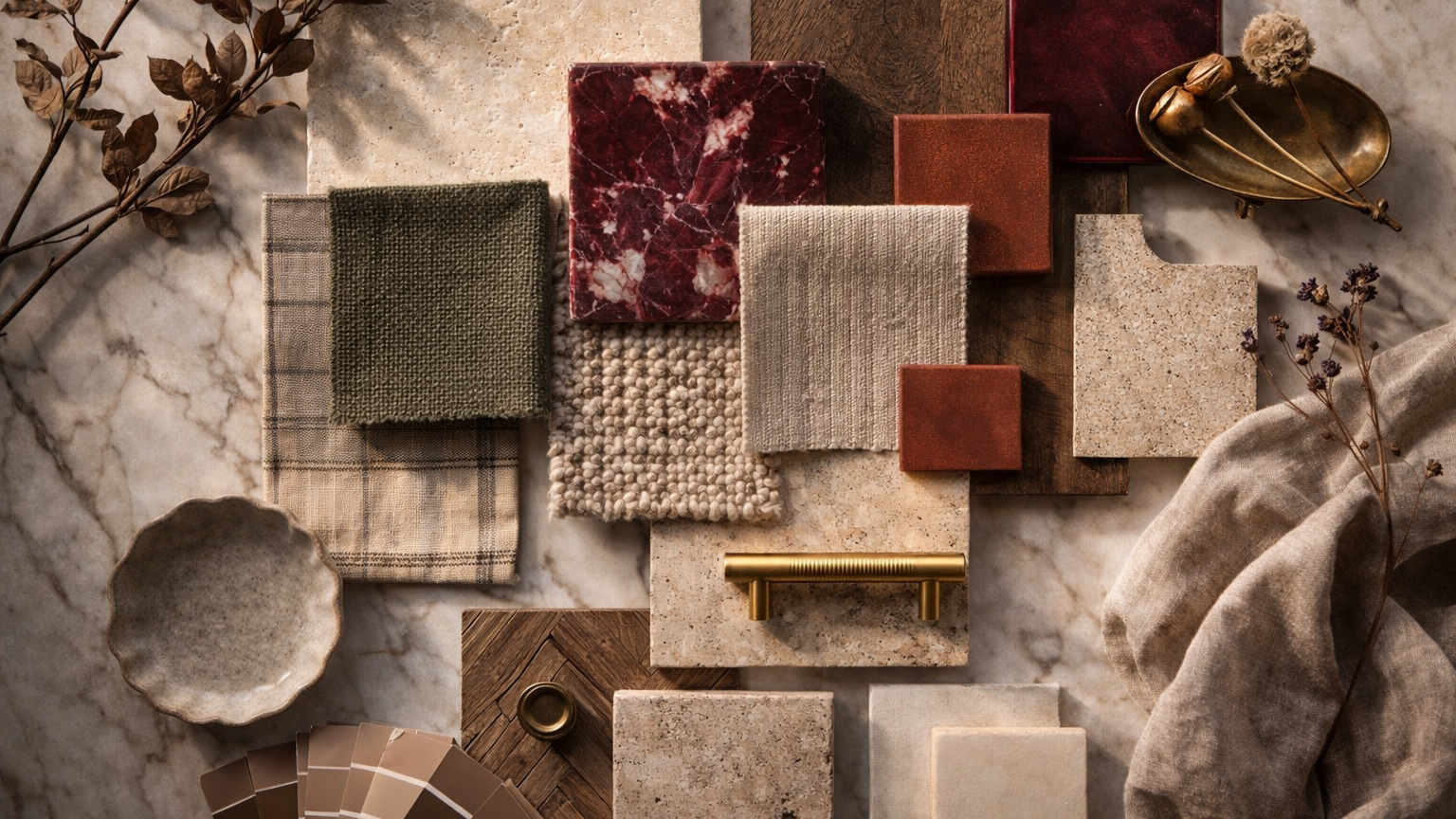
Here’s a look at what an interior designer actually
does throughout the new build process.
1. Reviewing Plans with a Fresh, Experienced Eye
Before any finishes are selected, one of the most valuable things a designer can do is review your floor plans.
At this stage, small adjustments can make a big impact later on. Designers look at how spaces will function day-to-day, how rooms connect, and how details like lighting placement, cabinetry layouts, and furniture flow will work in real life—not just on paper. This step helps catch potential issues early, before they turn into costly changes during construction.
2. Guiding Hundreds of Design Decisions
A new build involves far more decisions than most people expect. Think:
Flooring
Tile
Cabinetry
Countertops
Paint colors
Plumbing fixtures
Lighting
Hardware
Trim details
Exterior finishes
And that’s just the beginning.
Beyond finishes, there are also decisions around layout details and how the home functions day-to-day—like where lighting should go, how it should be layered, and the difference between task lighting, ambient lighting, and accent lighting. These are the kinds of details that aren’t always obvious, but make a huge impact on how a space actually feels and works.
An interior designer helps narrow down options so you’re not overwhelmed, while also ensuring every selection works together. Instead of making isolated decisions, everything is considered as part of a cohesive whole.
This is how a home ends up feeling intentional—not pieced together.
3. Creating a Cohesive Vision for the Entire Home
One of the biggest challenges in a new build is consistency.
Without a clear vision, it’s easy for rooms to feel disconnected—different finishes, clashing undertones, or styles that don’t quite align.
A designer helps create an overall direction for the home so every decision supports that vision. From the exterior materials to the smallest interior details, everything is working together.
This doesn’t mean everything matches, it means everything makes sense together.
4. Organizing and Documenting Every Selection
Once decisions are made, they need to be clearly documented.
This is where things can easily fall apart without the right systems in place.
Designers organize selections into detailed, easy-to-follow documentation that outlines exactly what is being used, where it goes, and how it should be installed. This allows builders and trades to reference clear information instead of relying on memory, texts, or scattered notes.
Many designers also use a secure, shared platform where clients can view selections, track decisions, and confirm details throughout the process. This keeps everyone aligned and reduces miscommunication.
5. Supporting Material Coordination
Beyond selecting materials, there’s also the logistics side—making sure everything is accounted for and arrives when it should.
This can include:
Tracking selections and timelines
Coordinating with suppliers
Confirming details before ordering
Helping ensure materials align with the build schedule
When this step is overlooked, it can lead to delays, missing items, or last-minute substitutions. Having a designer involved helps keep everything moving smoothly behind the scenes so the builder can stay focused on construction.
6. Communicating with Builders and Trades
A designer doesn’t replace the builder, they support them.
Throughout the build, designers often act as a bridge between the client and the construction team. They help answer design-related questions, clarify selections, and ensure everyone is working from the same information. This reduces back-and-forth, minimizes confusion, and helps prevent mistakes on-site.
Clear communication is one of the biggest factors in how smoothly a project runs.
7. Helping Prevent Costly Mistakes
One of the most overlooked benefits of hiring a designer is what doesn’t happen.
Mistakes in a new build can be expensive—whether it’s selecting the wrong materials, missing key details, or making decisions too late in the process.
Designers help anticipate these issues before they arise by:
Thinking through how materials interact
Catching inconsistencies early
Ensuring decisions are made in the right order
Keeping everything aligned with the overall vision
It’s not just about making good choices—it’s about making the right choices at the right time.
8. Creating a Better Overall Experience
Building a home can feel overwhelming. There are constant decisions, moving parts, and pressure to get things right.
A designer helps take that pressure off by providing guidance, structure, and clarity throughout the process.
Instead of second-guessing every decision or trying to manage everything yourself, you have someone walking alongside you—helping you feel confident in the direction and keeping things organized from start to finish.
Bringing It All Together
At the end of the day, an interior designer’s role in a new build is about more than design. It’s about creating a clear vision, organizing countless details, supporting the builder, and making sure the final result feels cohesive, intentional, and well thought out.
For homeowners, it means less overwhelm and more confidence.
For builders, it means smoother projects and better client experiences.
And for the home itself, it means every detail works together exactly the way it should.
If you’re planning a new build in Spartanburg, Greenville, or the surrounding Upstate South Carolina area, we’d love to help guide the process and bring your vision to life in a thoughtful, organized way.